 Book online



Blepharitis — What You Need to Know
What is blepharitis?
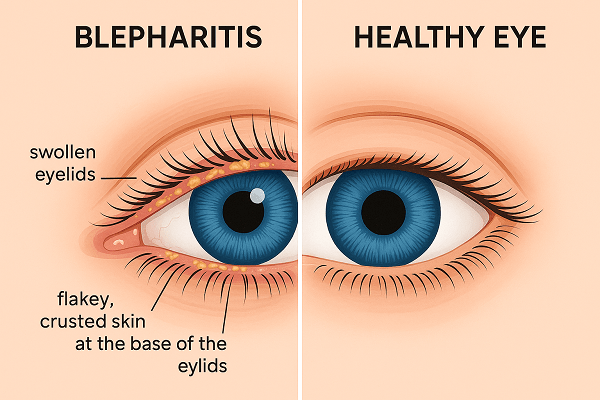
Blepharitis is a common condition where the eyelid margins (the rims of your eyelids) become inflamed. It comes in two main types:
- Anterior blepharitis: irritation around the base of the eyelashes.
- Posterior blepharitis: inflammation of the meibomian glands (which produce the oily layer of your tears).
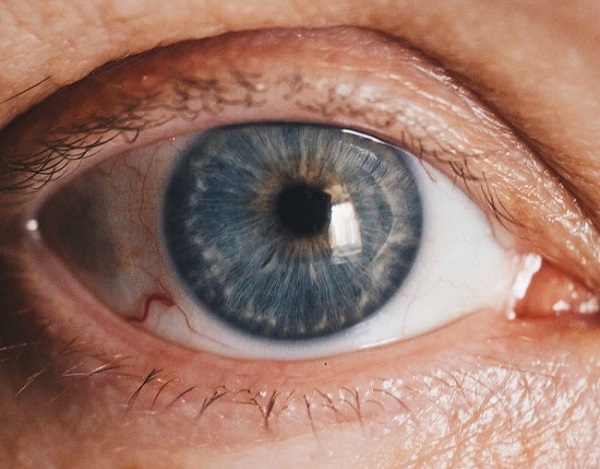
You may notice symptoms like:
- Red or sore eyelids
- Gritty or scratchy feeling in the eyes
- Dryness or watering
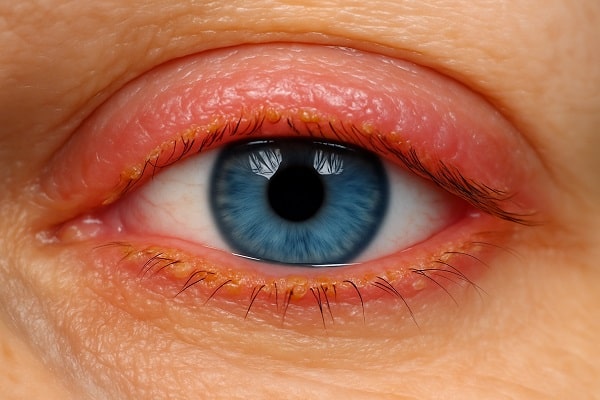
- Crusts, flakes or white scales around eyelashes
- Eyelids that feel heavy or tired
While it usually isn’t sight-threatening, blepharitis can be very uncomfortable — and it often goes alongside dry eye too.
What causes it?
There’s no single known cause, but here are some common triggers:
- Skin conditions like eczema, acne or rosacea
- Allergies and hay-fever
- Excess bacteria on the eyelids causing clogging and inflammation
- Meibomian gland dysfunction (MGD) leading to poor oil flow in your tears
How we treat it at Boatman’s Optical?
Since blepharitis is usually a long-term (chronic) condition, the goal is good control rather than a cure. We offer:
- Professional Dry eye assessment by our specialist optometrists
- At Home treatments including a daily eyelid hygiene routine that you can do at home — simple, effective, and important even if your eyes feel fine
- In Clinic treatments including Activa heat mask, MGD Expression, IRPL tear stim
Your Home Routine (Do this twice daily if possible)
These steps form the backbone of managing blepharitis. Try to do them every morning and evening until your lids are comfortable, then once daily for maintenance.
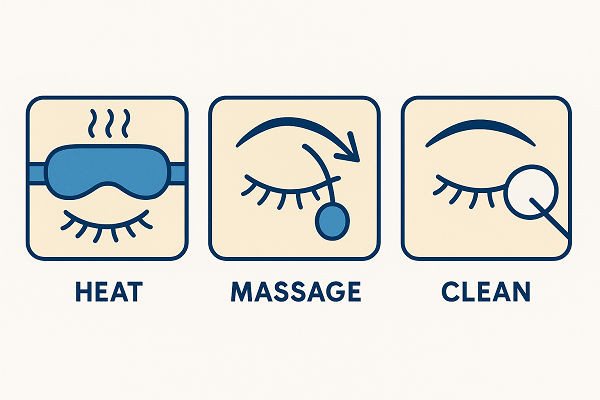
1. Warm compress
- Use a warm flannel, a microwavable eye-bag or a PEEP heat want as recommended.
- Close your eyes and apply the compress for ~5 minutes.
- The aim: soften any hardened oils in the meibomian glands.
- Tip: If using a flannel, ensure it’s clean and moist, and comfortable temperature — avoid burning.
2. Lid massage
- Right after the warm compress, gently massage your eyelids.
- For the upper lid: downward motion (towards your eyelash base).
- For the lower lid: upward or outward motion (away from eyelash base).
- This helps express the oils and improve gland function.
3. Lid cleaning
- Use a clean cotton bud, makeup pad or eyelid wipes/solution made for blepharitis.
- Moisten with warm water if using a bud/pad or solution.
- Clean the lower edge of the eyelid: gently pull the lid outward and wipe.
- For the upper lid: close your eye, then gently clean the edge so you don’t touch the eyeball.
- Purpose: remove oils, crusts, bacteria and debris from the lid edges.
Keep at it
- Even if your eyes are comfortable now, maintain the routine daily to prevent flare-ups.
- Pair with treatments (drops/ointment) if advised by your optometrist.
When to come in for a Dry eye assessment?
You should book a full Dry Eye assessment at Boatman’s Optical if you have:
- Persistent eyelid soreness, itch or redness
- Recurrent crusting or flaking around lashes
- Dry or gritty eyes that don’t improve with over-the-counter drops
- Major discomfort, blurred vision, or you wear contact lenses and feel irritation
We will perform a full lid-and-tear evaluation using IDRA clinical analysis software and provide tailor a treatment plan specific to you.
📞 Call us at 01245 264659 to book your appointment, or click “Book Online” on our website.